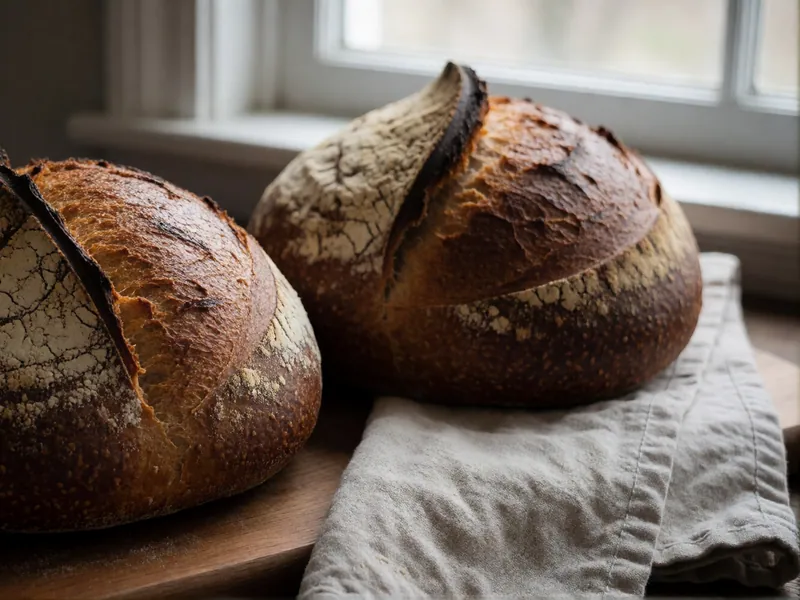
Shaped the afternoon before, baked from 4:30am, on the shelf by opening.
Sourdough bread
A country loaf built over two days from flour, water, salt and a starter older than the bakery.
37-32 61st Street, Woodside, NY 11377
Bread · Woodside, Queens
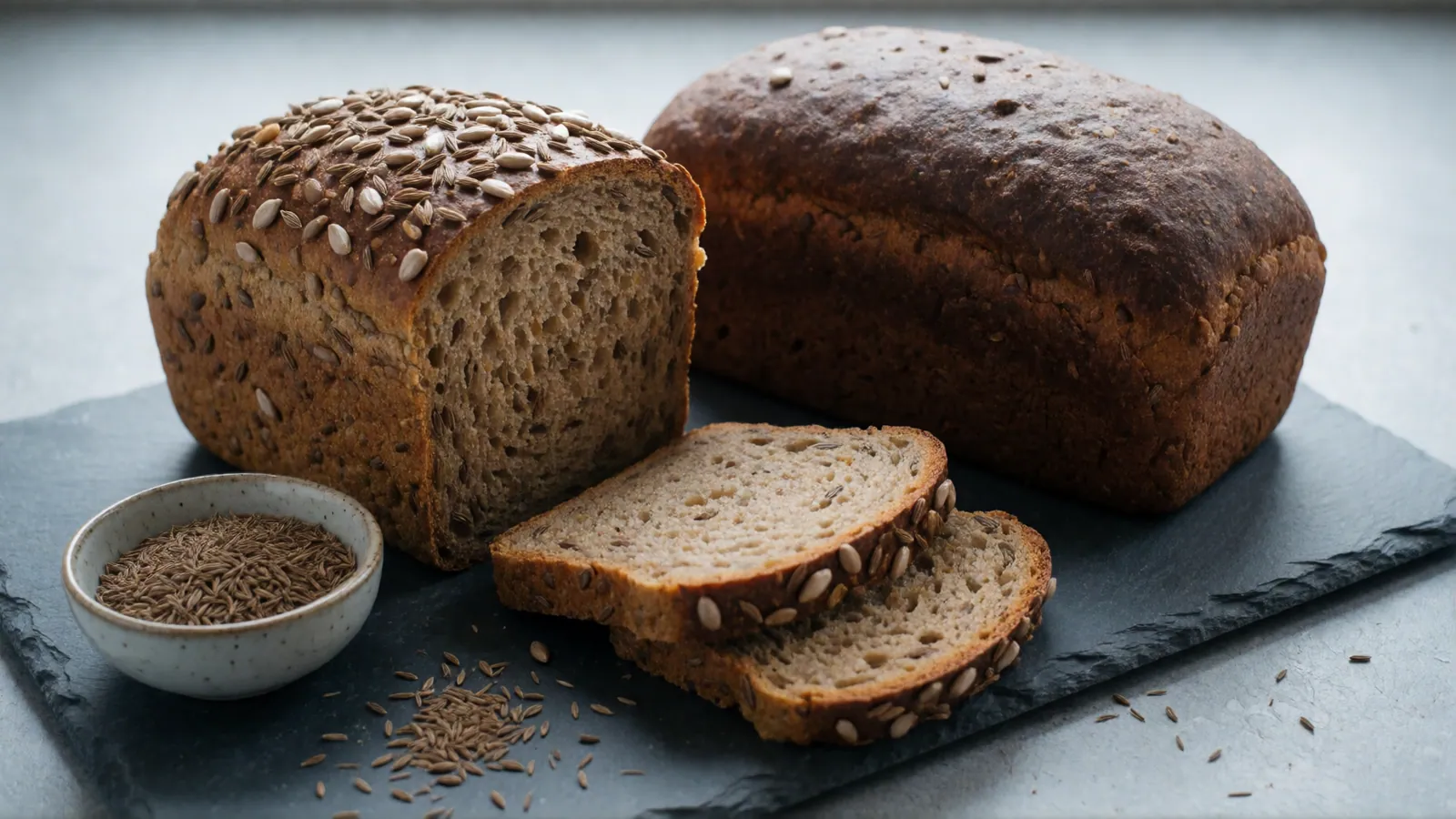
The seeded rye a deli sandwich expects, and a dark pumpernickel that keeps for most of a week.
How it is made
Rye behaves differently from wheat: it holds more water, builds almost no gluten, and wants a sour starter to set properly. Our seeded rye is part wheat, so it slices thin and holds a sandwich; the caraway goes in whole.
The pumpernickel is mostly rye, with a little cocoa and molasses for colour, baked low and slow in a lidded tin. It is dense by design.
Both loaves contain wheat flour. Rye itself also contains gluten, which is worth saying because rye is sometimes assumed to be a gluten-free grain. It is not.
The breakfast menu’s smoked salmon on seeded rye, at $14.00, is a way to taste the seeded rye before buying a whole loaf.
At home
Rye keeps better than any other bread here. Wrapped, on the counter, the pumpernickel is good for five days and the seeded rye for three.
In the kitchen
Mixed and shaped in the late morning, baked in the afternoon for the next day.
Allergens
Every item on this page contains wheat (gluten).
One kitchen, six allergens in the air. Everything here is made in one kitchen where wheat, sesame, tree nuts, eggs, milk and soy are used every day. We can tell you what is in a recipe; we cannot promise that any item is free of any allergen. If an allergy is serious, please do not rely on a label here — ask us, and consider a bakery with a dedicated kitchen.
From the same ovens
Shaped the afternoon before, baked from 4:30am, on the shelf by opening.
A country loaf built over two days from flour, water, salt and a starter older than the bakery.
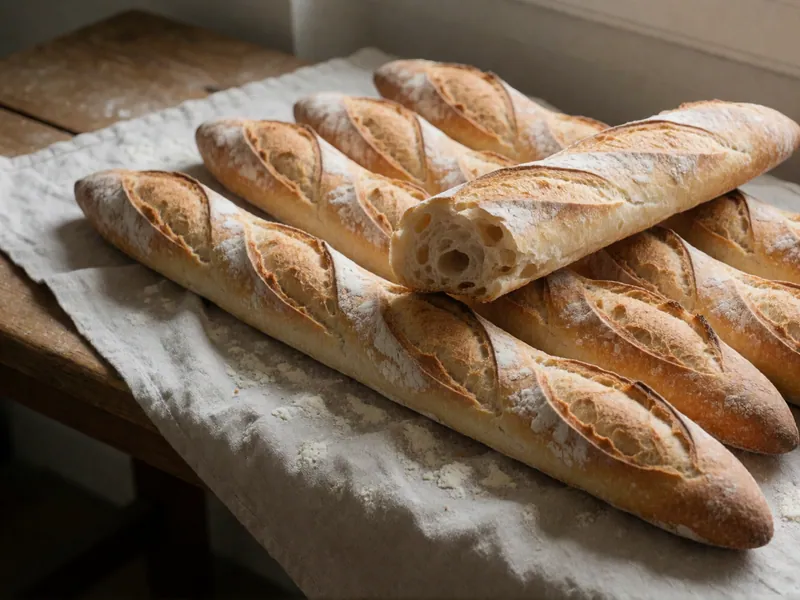
Poolish the evening before; baked at 6am and again at 11am.
A poolish started the night before, baked twice a day, because a baguette is at its best for about six hours.
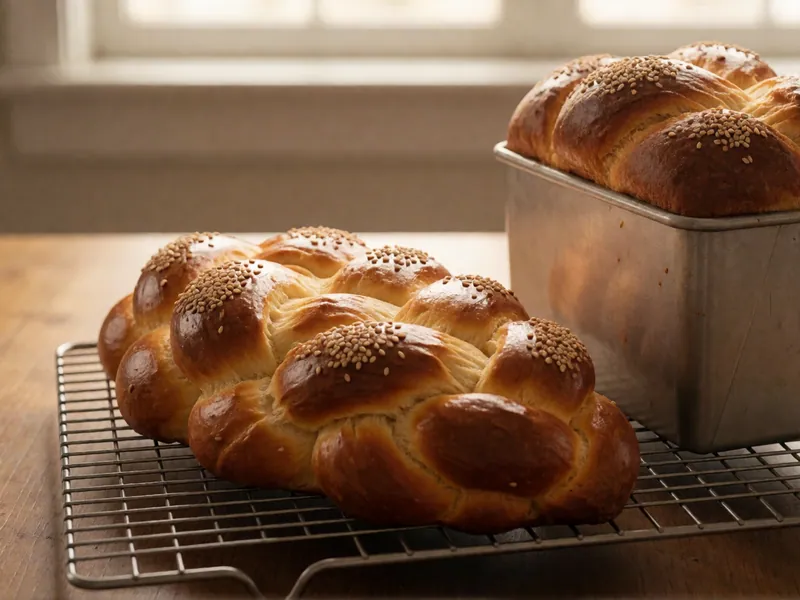
Brioche mixed the day before; challah braided in the morning and baked by eleven.
Two enriched loaves: brioche made with butter and milk, challah made with eggs and oil and no dairy in the recipe.
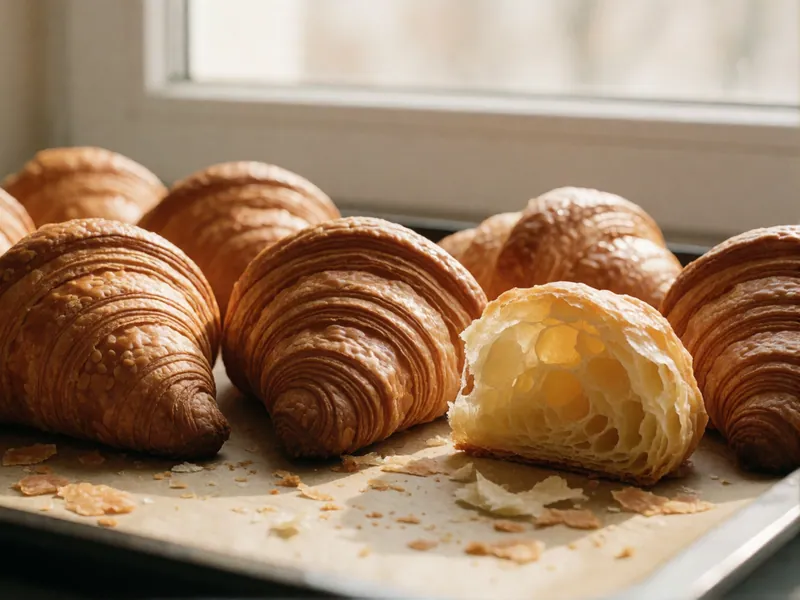
Laminated the day before; baked at 6am and a second tray at 11am.
Laminated a day ahead, proofed overnight, baked from six — and why that is the honest way to make one.
Add it from this page or the menu, choose a day and a fifteen-minute pickup window, and pay at the counter when you collect.