Open six days a week 000-000-0000
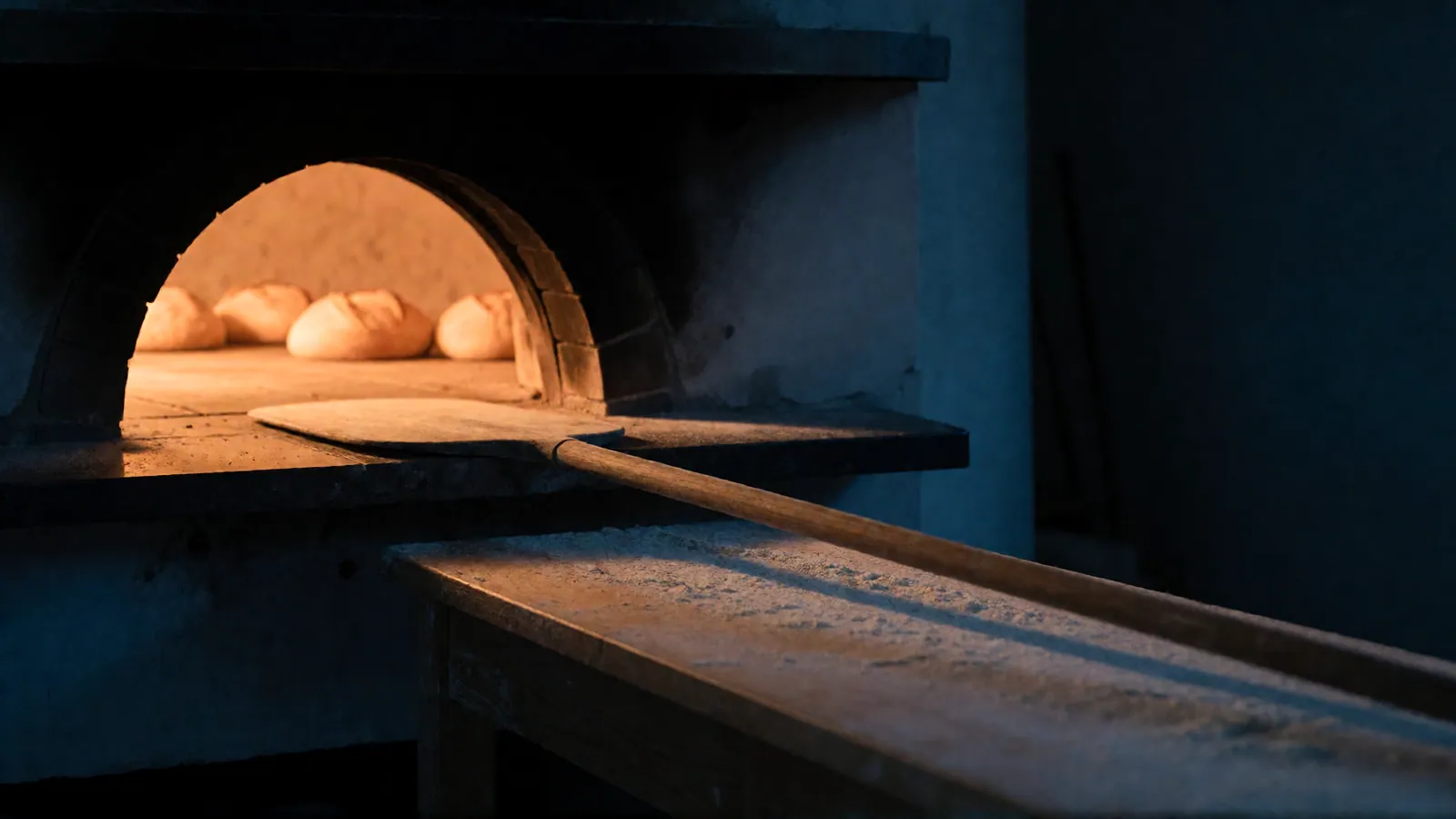
Round loaves baking in the lit mouth of a stone deck oven, a long wooden peel resting on its ledge

The day, hour by hour

How the day runs

The door opens at 6:30am. The first light went on at 3:45am, and most of what is on the shelf was begun the afternoon before.

  • First light 3:45am
  • First bake out 6am
  • Sunday: the ovens are cold

Before the door opens

The first light goes on at 3:45am. Outside it is still dark, and the ovens are cold. Two things are started before anything else, because neither can be hurried: the starter is fed, and the ovens begin the hour it takes them to reach about 480°F. Everything until the first bake comes out at 6am is arranged around that hour.

Very little of what goes into those ovens was made that morning. The loaves were shaped the afternoon before and have spent the night in their baskets in the cold room, at about 40°F. The croissant dough was laminated the day before. The baguette dough is mixed from a poolish that was started the evening before. The morning can be short because the slow part of the work happened while the door was closed.

By the time the door opens at 6:30am, the kitchen has been working for two hours and forty-five minutes.

Why the times matter to you

Nearly every rule on the order form is this timetable written down. A cake needs two days’ notice because its layers are baked one day and iced the next. The list for anything that needs notice closes at 3pm because the evening’s bake has been planned by then. A cake, a tray or a large bread order can be cancelled until 6pm the day before it is collected, and not after, because after that it is already being baked.

Below is an ordinary weekday, in the kitchen’s own order. On Saturday the door opens at 7:30am. Sunday is the bakers' day off, and the ovens are cold.
An ordinary weekday

From 3:45am to 6pm

  1. The first light goes on

    Two bakers in. The starter gets its first feed and the ovens start their forty-five-minute heat up to about 480°F.

  2. Dough

    Yesterday’s shaped loaves come out of the cold room in their baskets. The baguette dough is mixed from the poolish started last night.

  3. The sourdough goes in

    Loaves are turned onto the peel, scored and loaded onto the stone. A load takes about forty-five minutes.

  4. First bake out

    Croissants, pains au chocolat and the first baguettes. Morning buns go in as the croissants come out.

  5. The door opens

    The counter opens with the first bake on the shelf. Weekday pickup windows start at seven.

  6. Wholesale leaves

    Standing orders for the restaurants and offices we bake for are packed in linen-lined crates and go out with our driver, to arrive before eight.

  7. Second bake

    The second tray of croissants and baguettes, so a lunch sandwich is on bread from that morning. Lunch starts.

  8. The next day starts

    The starter gets its midday feed. Croissant dough is laminated for tomorrow, and cake layers are baked for tomorrow’s and the next day’s orders.

  9. Tomorrow’s dough

    The starter goes into tomorrow’s country dough, which is folded four times over the next three hours and shaped by six.

  10. The cake list closes

    Orders with a cake, a tray or a large bread order placed after three count from tomorrow, because tonight’s bake has been planned.

  11. Shaped and resting

    Loaves are shaped into baskets for the cold room. Cakes for tomorrow are iced and piped. The door closes.

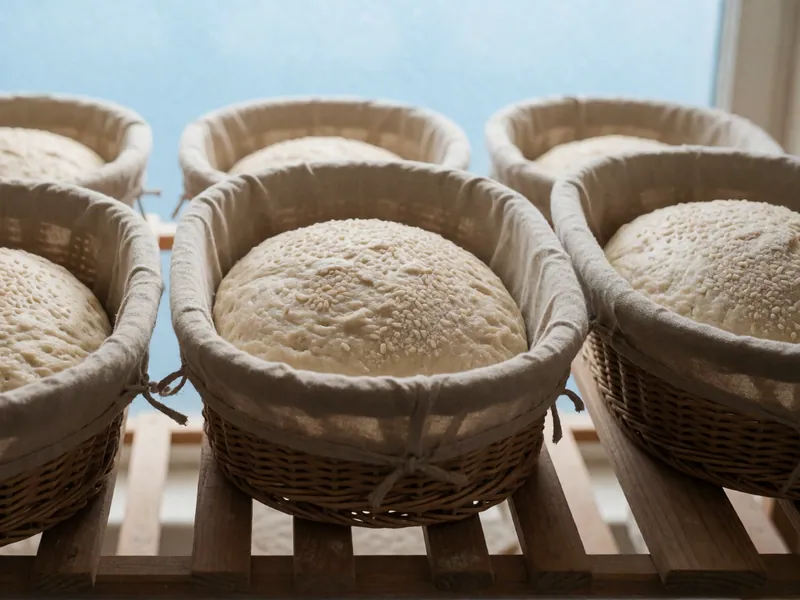
Linen-lined cane baskets of shaped dough lined up on wooden racks in a cool, dim room
4am and 6pm — Dough; Shaped and resting
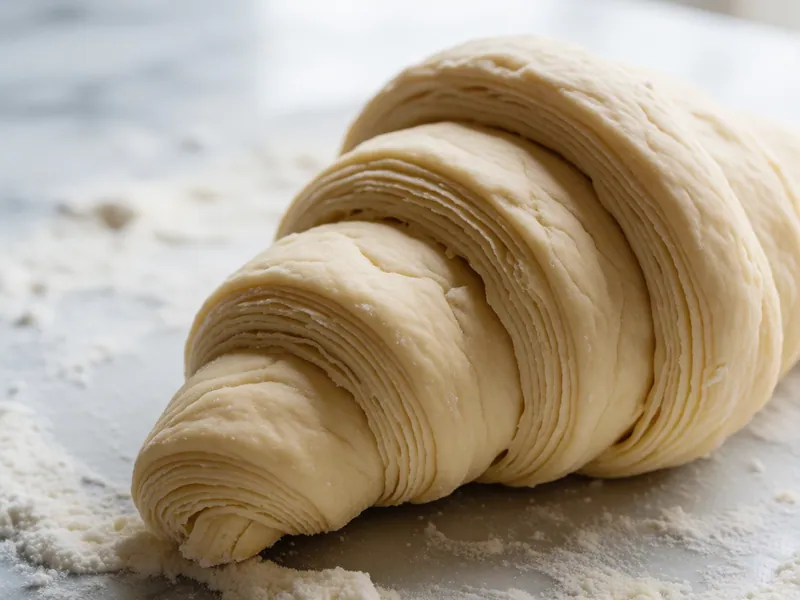
The cut edge of raw croissant dough, showing thin alternating layers of butter and dough
6am — First bake out
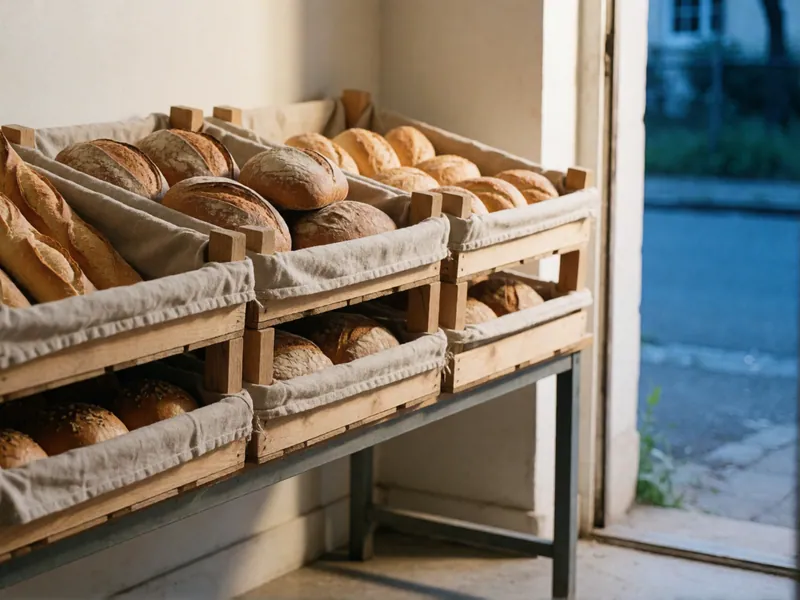
Shallow wooden crates lined with linen and filled with baguettes, round loaves and rolls, on a steel bench in blue dawn light
7am — Wholesale leaves
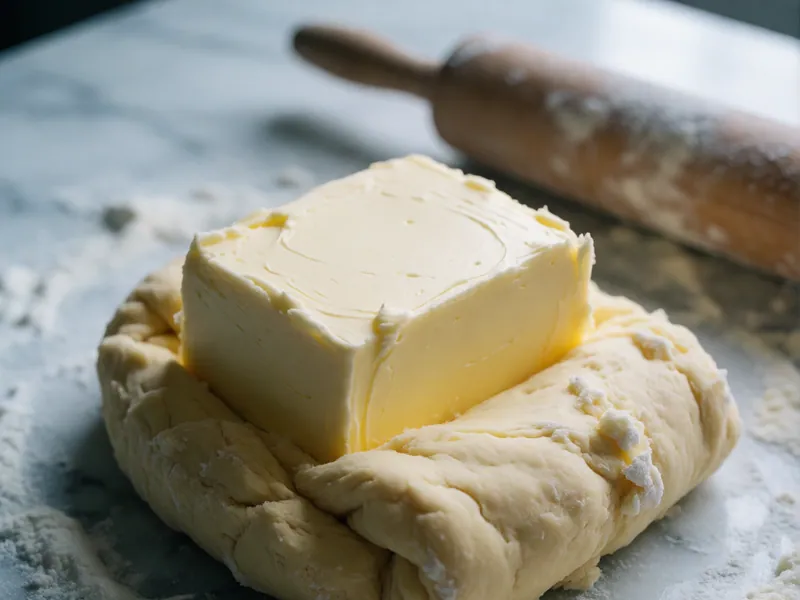
A block of pale yellow butter set on rolled dough on a floured marble surface
12pm — The next day starts

What the clock decides

The kitchen’s timetable, on the order form

None of these rules was invented for a website. Each is the day above, seen from the other side of the counter.

two days’ notice

Why a cake needs two baking days

The layers are baked one afternoon and iced and piped the next evening, and nothing is baked on Sunday. So the notice is counted in days the ovens are on: a cake ordered on a Friday morning is ready on Monday.

Celebration cakes

3pm

Why the list closes at 3pm

An order with a cake, a tray or a large bread order placed after 3pm counts its notice from the next day. By then that evening’s dough, layers and shaping have been planned.

How ordering works

11am

Why there is a second bake at 11am

A poolish started the night before, baked twice a day, because a baguette is at its best for about six hours. The second bake means a lunch sandwich is on a baguette from that morning rather than from dawn.

Baguettes

Sunday

Why Sunday is closed

Sunday is the bakers' day off, and the ovens are cold. Monday's first loaves come out of a dough that was mixed on Saturday afternoon and has spent Sunday resting in the cold room, which is why Monday's sourdough is often the best of the week.
Opening hours

Closing

What happens to what is left

Loaves left at closing are sold the next morning on the end shelf, marked as the day before’s. An order is held until closing on its pickup day. After that, bread and pastries go to the end shelf with the day’s other unsold bake, and a cake is kept in the cold room until the next opening.

Baked today is not made today

When each bread is baked

  • Sourdough bread

    Shaped the afternoon before, baked from 4:30am, on the shelf by opening.

  • Baguettes

    Poolish the evening before; baked at 6am and again at 11am.

  • Rye bread

    Mixed and shaped in the late morning, baked in the afternoon for the next day.

  • Brioche and challah

    Brioche mixed the day before; challah braided in the morning and baked by eleven.

  • Croissants

    Laminated the day before; baked at 6am and a second tray at 11am.

What needs notice. Celebration cakes need two days’ notice and catering trays and large bread orders need one, counted in days we are baking — Sunday, when the ovens are cold, does not count. An order placed after 3pm counts its notice from the next day, because that evening’s bake has already been planned.

How pickup works. Every pickup time is a fifteen-minute window, and each window takes a limited number of orders, so the morning's orders are spread across the counter rather than arriving in one queue. Same-day orders can be collected from about forty-five minutes after you order.

Order ahead, collect in fifteen minutes

Choose from the menu, pick a day and a fifteen-minute window, and pay at the counter when you collect.